
The Environmental Impact of Wool vs. Synthetic Fibres
When we talk about sustainable fashion, the conversation often starts with the fibre. What a garment is made from determines much of its environmental footprint — from how it’s produced, to how it behaves in the wash, to what happens when it eventually wears out. At Ekta Helsinki, we use Finnish sheep wool — and here’s how it stacks up against synthetic fibres on the metrics that matter most.
Where synthetic fibres come from
Polyester, nylon, and acrylic — the most common synthetic fibres in fashion — are all derived from petroleum, a non-renewable fossil fuel. Their production is energy-intensive and releases significant greenhouse gas emissions. According to industry estimates, polyester production alone generates more than twice the carbon emissions of cotton for the same weight of fabric. And unlike natural fibres, synthetics do not biodegrade — they persist in the environment for hundreds of years.
Finnish sheep wool’s natural advantages
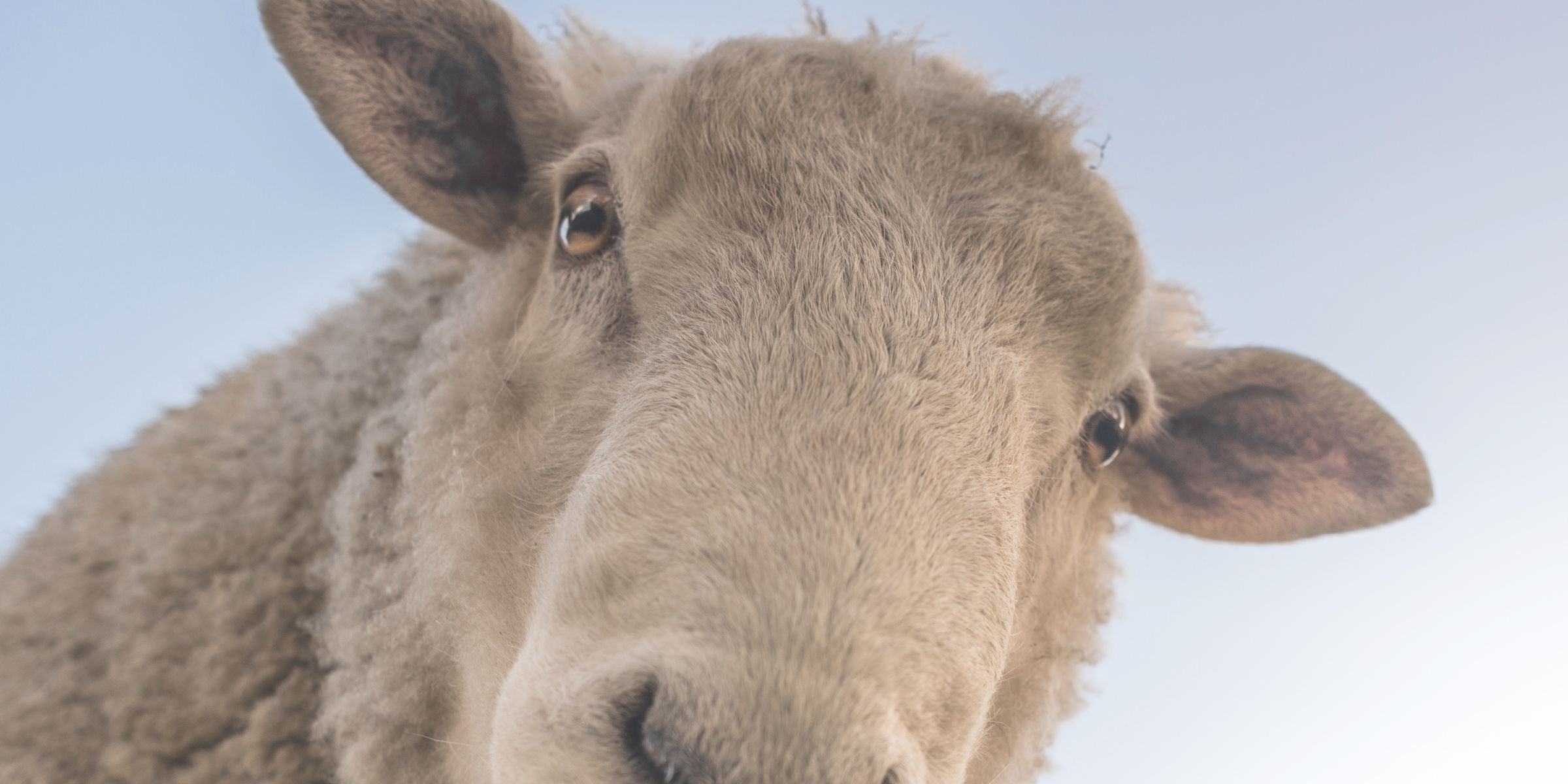
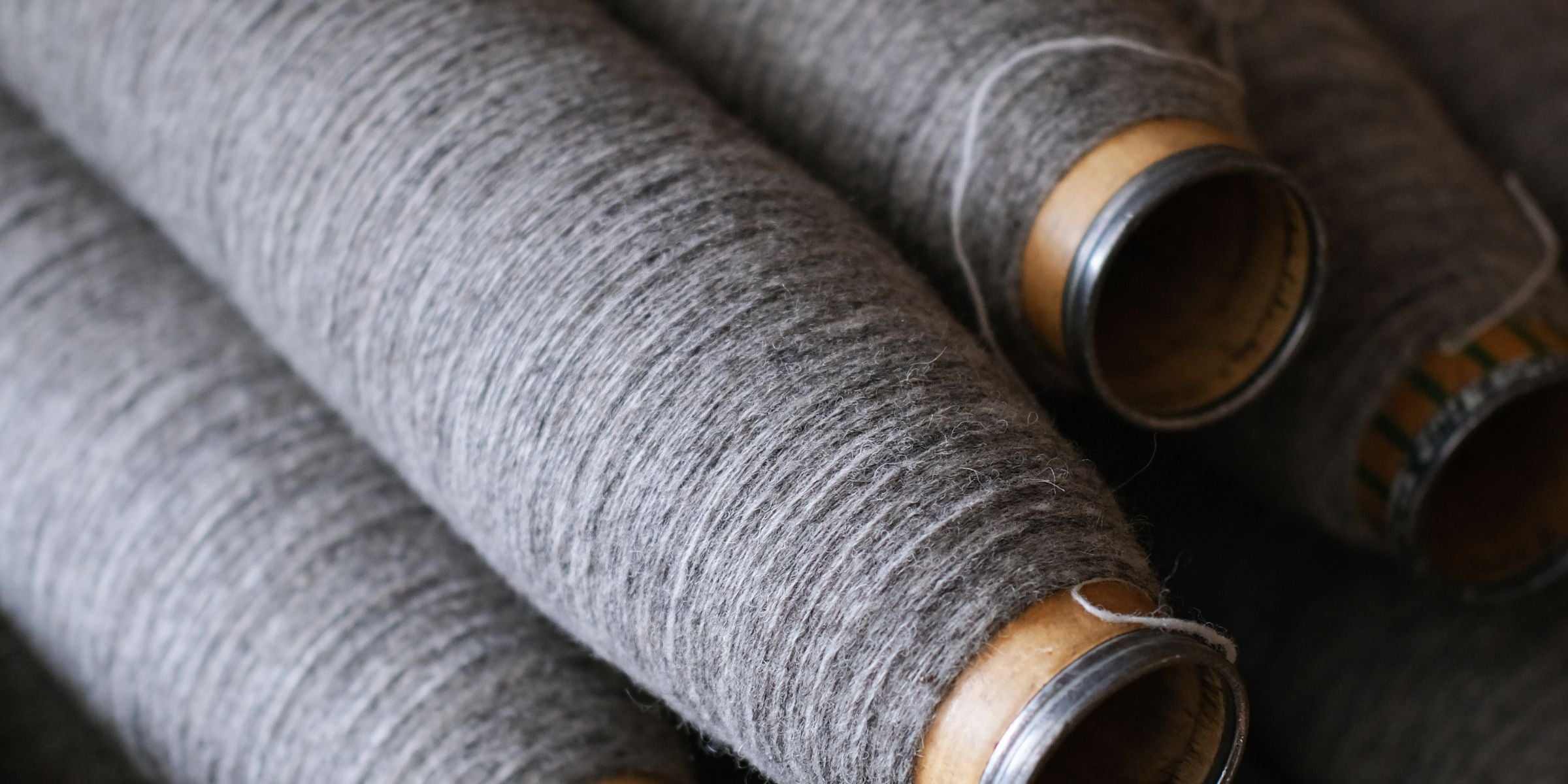
Finnish sheep wool is a protein fibre grown by sheep as part of a natural biological cycle. It is renewable — shorn annually without harming the animal — and biodegradable, breaking down naturally in soil and releasing nutrients as it does. A wool garment buried in the ground will decompose within a few years; a polyester one will still be there centuries later.
Finnish sheep wool also has a naturally lower washing frequency requirement. Its antibacterial properties mean odours don’t cling the way they do to synthetics, reducing the energy and water used over a garment’s lifetime.
The microplastics problem
Every time a synthetic garment is washed, it sheds tiny plastic fibres — microplastics — that pass through wastewater treatment systems and enter rivers, oceans, and the food chain. Studies suggest that a single wash of a polyester garment can release hundreds of thousands of microplastic fibres. Finnish sheep wool, being a natural fibre, does not contribute to microplastic pollution.
Land use and animal welfare in Finland
Wool production does require land and animals, and like any agricultural system, it has an environmental footprint. Responsible Finnish wool farming can actually support biodiversity, maintain healthy grasslands, and sequester carbon in the soil. The key is scale and stewardship: small flocks, well-managed pastures, and farmers who care about the land they work.
In Finland, shearing is required by law as part of animal welfare regulations. It is not painful — done correctly, it is a routine and necessary part of caring for the sheep. Finnish sheep don’t have time to grow excessively long fleeces, so the wool never becomes a burden for the animal. Shearing keeps them comfortable and healthy, and the fleece is a natural by-product of that care.
At Ekta Helsinki, we are also committed to working with suppliers who share our values. That means no harmful chemicals are used on the sheep — no pesticide dips or chemical treatments that could harm the animals, the farmers, or the environment. Clean Finnish wool from healthy, well-cared-for animals is the only kind we want to work with.
Longevity is the great equaliser
No fibre is without impact — but longevity changes the equation dramatically. A Finnish wool garment that lasts 20 years has a far lower environmental cost per wear than a synthetic piece discarded after a season. At Ekta Helsinki, we make knitwear designed to be worn for decades, not discarded after a trend cycle. That’s the most honest sustainability claim we can make.
Choosing Finnish sheep wool over synthetics isn’t a perfect solution — but it’s a meaningful one. Natural fibres, responsibly sourced and carefully made, are one of the clearest paths toward a fashion industry that works with the planet rather than against it.


Jätä kommentti
Tämä sivu on suojattu hCaptcha-tunnistuksella, ja hCaptchan tietosuojakäytäntöjä ja käyttöehtoja sovelletaan.